
1 de octubre de 2023
What did Dr Pedersen discover about GS-441524 and feline FIP?
Dr Niels Pedersen demonstrated in 2019 that the antiviral GS-441524 could reverse the clinical signs of Feline Infectious Peritonitis (FIP) in the majority of treated cats. In his study, animals received daily injections over 12 weeks, and among those who completed the full course, the survival rate was 100%. This finding marked a before and after in the treatment of a disease once considered invariably fatal.
A turning point for FIP
Until very recently, Feline Infectious Peritonitis (FIP) was effectively a death sentence. Owners received a devastating diagnosis, knowing that life expectancy following confirmation was a matter of days or weeks at most.
Everything changed in September 2019, when the renowned Dr Niels Pedersen and his team published a landmark study: the efficacy of GS-441524, an antiviral capable of saving the lives of cats with FIP.
(For full technical details, complete data and methodology from the original study, see our analysis on the FIP Research page.)
The study that lit a beacon of hope
Dr Pedersen’s work treated cats across all forms of FIP: effusive, non-effusive, ocular and even neurological — the latter being particularly complex to manage.
Treatment consisted of daily injections over 12 weeks. The results were remarkable:
-
The majority of treated cats completed the therapy successfully.
-
Those with ocular or neurological FIP required higher doses.
-
Not a single cat that completed the full course died during the follow-up period.
This was the first major scientific validation of a treatment that, until then, was virtually unknown outside specialist circles.
Spain and the world’s first relapse protocol
Although the study was published in the United States, veterinarians and owners in Spain were already using GS-441524 on an experimental basis.
One of the most inspiring cases involved an owner who, after his cat relapsed, decided to write directly to Dr Pedersen. Working alongside a feline veterinarian in Madrid, that experience gave rise to the world’s first protocol for treating FIP relapses.
That cat is still alive today — a testament to what perseverance and science can achieve together.
What came next
In the wake of Pedersen’s study, research has multiplied and documented cases have grown significantly, including clinical series in Spain with dozens of treated cats and a cure rate exceeding 75%.
For real-world data on how these treatments have evolved, visit the How many cats have been treated in Spain — statistics section.
Types of FIP and treatment options
We now know that FIP can present in several distinct clinical forms:
-
Effusive (abdominal or pleural)
-
Non-effusive
-
Ocular
-
Neurological
Each form requires a specific approach and dosing protocol. Learn how to recognise them and understand diagnosis in our guide FIP Types and Diagnosis.
For information on protocols, dosing and monitoring, we recommend visiting our Treatments page.
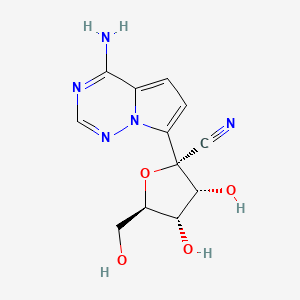
Imágen de la molécula GS441524
FIP Types in Dr Pedersen’s Study

Frequently Asked Questions
Because it was the first study to demonstrate, through peer-reviewed published data, that an antiviral could reverse the disease in cats that had previously faced a fatal prognosis.
The study was published in September 2019 and has since inspired numerous research projects and clinical cases across the world.
Unlike previous treatments, which were purely palliative, GS-441524 demonstrated the ability to eliminate clinical signs and achieve full recovery in a significant number of cases.
It gave rise to a global network of owners and veterinarians sharing protocols, results and success stories — fundamentally changing the way FIP is understood and approached.
Through the pioneering efforts of owners and veterinarians who adapted international experience to the Spanish context — and in some cases developed their own protocols for managing relapses.
Share your story
Has your cat beaten FIP with GS-441524? Share your experience and give hope to other owners just beginning this journey.
Every story helps more people understand that today, FIP is no longer a death sentence.